
Love Marriage vs Arranged Marriage – What Astrology Says
Love Marriage vs Arranged Marriage – What Astrology Says
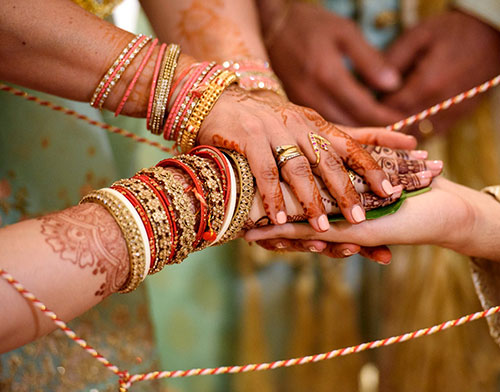
Understanding Marriage in Indian Culture
Why Marriage Is Considered Sacred in Indian Society
Marriage in India is much more than just two people deciding to live together. It is deeply woven into the cultural, emotional, and spiritual fabric of society. For centuries, Indian families have treated marriage as a sacred bond not just between two individuals but between two families and sometimes even two communities. The idea of marriage here carries responsibility, tradition, and long-term commitment. That’s why discussions around love marriage vs arranged marriage are often intense and emotional.
When we look at modern Indian society, we see that traditions still hold strong. Research shows that around 90–93% of marriages in India are arranged, indicating how deeply the custom is rooted in society. This means that most families still prefer to take an active role in choosing life partners for their children. However, with changing lifestyles, urbanization, and increasing independence among young people, love marriages are gradually becoming more common.
But here’s the interesting twist: despite modern influences, many people still consult astrology before marriage. Whether the marriage is love or arranged, families often rely on Kundli matching and planetary analysis to ensure compatibility. In many cases, astrology acts like a guiding compass, helping couples understand their relationship dynamics before making one of the biggest commitments of their lives. This is where experienced astrologers, such as PK Shastri, step in to interpret planetary alignments and provide guidance.
The Evolution of Marriage Choices in Modern India
Over the past two decades, the way Indians approach marriage has been slowly evolving. Earlier, arranged marriages dominated almost every region and community. Parents, relatives, and community elders would search for suitable partners based on family background, caste, education, and social status. Love marriages, on the other hand, were relatively rare and sometimes even frowned upon.
But today, things are shifting. Younger generations are more exposed to diverse cultures, career opportunities, and social circles. Dating apps, workplaces, and universities have opened new avenues for people to meet and build relationships independently. As a result, love marriages are slowly increasing in cities and metropolitan areas.
Statistics reflect this change. Surveys show that love marriages now account for roughly 10–15% of marriages in India, a noticeable increase compared to earlier decades when they were less than 5%. Yet arranged marriages still dominate the landscape, especially in smaller towns and rural regions.
Astrology continues to play a role in both systems. Couples in love marriages often consult astrologers to ensure planetary compatibility and overcome family objections. Meanwhile, families arranging marriages rely heavily on horoscope matching before finalizing proposals. In a way, astrology acts as a bridge between tradition and modern relationships, guiding couples toward harmony and understanding.
Love Marriage vs Arranged Marriage – The Basic Difference
What Is a Love Marriage
A love marriage is exactly what the name suggests—two people fall in love first and then decide to get married. The relationship begins with emotional attraction, compatibility, and shared experiences. The couple often spends time getting to know each other before taking the big step toward marriage. In love marriages, personal choice plays the biggest role. Individuals select their partners based on emotional connection, mutual interests, and compatibility rather than family arrangements. This approach is more common in urban areas where people have greater independence in choosing their life partners.
From an astrological perspective, love marriages are often associated with strong planetary influences connected to romance and attraction. Astrologers frequently analyze the 5th house of the birth chart, which represents love, romance, and emotional bonding. If planets like Venus, Moon, or Rahu strongly influence this house, it may indicate a higher probability of a love marriage.
But love marriages also come with challenges. Since families may not initially be involved in the partner selection process, couples sometimes face opposition or social pressure. Astrology is often used to predict whether the relationship will survive these obstacles and whether the couple’s planets support a successful marriage.
What Is an Arranged Marriage
Arranged marriage is a traditional system where families play a central role in choosing a partner for their children. In this process, parents, relatives, or matchmakers search for suitable matches based on factors such as education, religion, family background, and values. The prospective couple usually meets and decides whether they want to proceed with the marriage.
Despite common misconceptions, arranged marriages are not always forced marriages. In fact, modern arranged marriages often involve mutual consent from both individuals. Couples are given time to interact, understand each other, and decide whether they want to move forward.
Interestingly, arranged marriages are often associated with long-term stability. Some reports suggest that arranged marriages in India have divorce rates as low as 1–3%, significantly lower than many Western countries. This is often attributed to strong family support, shared cultural values, and a collective commitment to making the marriage work.
Astrologically, arranged marriages are linked to planetary influences in the 7th house, which represents partnerships and marital relationships. When benefic planets such as Jupiter or Saturn positively influence this house, astrologers often interpret it as a sign of a stable and traditional marriage.
Marriage Statistics in India
Percentage of Arranged and Love Marriages
If you’re wondering which type of marriage is more common in India, the answer is clear: arranged marriages still dominate. Studies suggest that about 90–93% of Indian marriages are arranged, reflecting the strong cultural roots of this system. Even among educated and urban populations, family involvement in marriage decisions remains significant.
However, the numbers also show a gradual shift. Surveys indicate that love marriages have been steadily increasing, especially among younger generations. In some urban surveys, nearly one out of ten marriages is now a love marriage, and the number continues to rise each year.
This shift doesn’t necessarily mean that arranged marriages are disappearing. Instead, many couples today prefer a hybrid model called “love-cum-arranged marriage.” In this scenario, couples choose each other but still seek approval and blessings from their families before getting married.
Astrology plays a role in all these situations. Whether the marriage is arranged or love-based, families often consult astrologers to ensure that planetary positions support long-term compatibility and happiness.
Divorce Rate Comparison
One of the most debated topics in the love vs arranged marriage discussion is the divorce rate. Some studies suggest that arranged marriages have significantly lower divorce rates compared to love marriages. Reports indicate that divorce rates in arranged marriages may be around 1–6%, while love marriages can have rates between 20–30% in certain surveys.
However, other research suggests that the difference may not be as dramatic as often believed. Some studies show divorce rates for both types of marriages hovering around 10%, indicating that factors such as communication, compatibility, and family support play a larger role than the type of marriage itself.
Astrologers often explain these differences by pointing to planetary influences. According to Vedic astrology, marital harmony depends heavily on the placement of planets like Venus, Jupiter, and the Moon. If these planets form favorable combinations in both partners’ birth charts, the marriage—whether love or arranged—has a greater chance of success.
What Astrology Says About Marriage
Role of Kundli Matching in Marriage
In traditional Indian astrology, Kundli matching is considered one of the most important steps before marriage. It involves comparing the birth charts of two individuals to evaluate compatibility across emotional, physical, and spiritual dimensions.
The process typically includes analyzing Guna Milan, which measures compatibility across eight different aspects such as personality, health, and mental harmony. A high score indicates stronger compatibility, while a low score may signal potential conflicts in the relationship.
Astrologers also examine planetary positions, particularly those related to marriage and relationships. For example, the strength of Venus determines romantic compatibility, while Jupiter influences wisdom and stability in marriage. When these planets align favorably in both charts, astrologers believe the couple is more likely to experience harmony and mutual understanding.
Important Houses in Astrology for Marriage
In Vedic astrology, certain houses in the birth chart hold special significance when predicting marriage. Among them, the 5th, 7th, and 11th houses are considered especially important.
The 5th house represents love, attraction, and romantic relationships. Strong planetary activity here may indicate the possibility of love marriage. The 7th house, on the other hand, governs long-term partnerships and marital commitments. A well-placed 7th house often signals a stable marriage.
The 11th house represents fulfillment of desires and social connections. When favorable planets influence this house, astrologers interpret it as a sign that the individual may successfully marry the partner they desire.
These houses act like cosmic indicators that reveal how relationships unfold in a person’s life. By analyzing them carefully, astrologers like PK Shastri can provide insights into whether a person is more likely to experience love marriage, arranged marriage, or a combination of both.
Astrological Signs of Love Marriage
Role of the 5th House
The 5th house in astrology is often called the house of love and romance. When this house is strong or influenced by planets such as Venus, Moon, or Rahu, it may indicate a tendency toward love relationships. People with powerful 5th house placements often experience intense emotional connections and may choose their partners based on personal attraction rather than family arrangements.
Astrologers also look for connections between the 5th and 7th houses in the birth chart. When these houses are linked, it can indicate that a romantic relationship may eventually lead to marriage. This combination is frequently seen in charts of individuals who marry their lovers.
Influence of Venus and Rahu
Venus is considered the planet of love, beauty, and relationships. When Venus is strong in a birth chart, it often enhances romantic tendencies and emotional bonding. Individuals with strong Venus placements may naturally attract partners and experience deep romantic connections.
Rahu, on the other hand, is associated with unconventional choices and breaking traditional boundaries. When Rahu influences the 5th or 7th house, it may indicate marriages that defy societal expectations, such as inter-caste or inter-religious love marriages.
Astrologers interpret these planetary influences carefully to determine whether a person is more likely to experience a love marriage and what challenges or opportunities may arise along the way.
Astrological Signs of Arranged Marriage
Importance of the 7th House
The 7th house is the most important house for marriage in Vedic astrology. It governs partnerships, marital harmony, and long-term commitments. When the 7th house is strong and supported by benefic planets, astrologers often predict a stable and traditional marriage.
In many cases, strong Saturn or Jupiter influences on the 7th house indicate that marriage may happen through family arrangements rather than personal romance. These planets represent discipline, tradition, and social structure—qualities often associated with arranged marriages.
Role of Jupiter and Saturn
Jupiter is known as the planet of wisdom and blessings. When it influences the 7th house or Venus, astrologers believe it brings stability and harmony to marriage. Saturn, though often considered strict, also plays an important role in maintaining long-term commitments.
When these planets dominate the marriage houses, individuals may prefer traditional marriage systems where families play a significant role in selecting partners. This doesn’t necessarily mean the relationship lacks love—many arranged marriages gradually develop deep emotional bonds over time.
Love Marriage vs Arranged Marriage – Astrological Compatibility
Emotional vs Practical Compatibility
Astrology often highlights the difference between emotional and practical compatibility. Love marriages tend to start with strong emotional attraction, while arranged marriages emphasize practical compatibility such as family values and lifestyle.
Astrologers analyze planetary combinations to determine whether emotional passion can coexist with long-term stability. If the birth charts show harmony between Venus, Moon, and Jupiter, the relationship may balance romance with responsibility.
Family Karma and Destiny
Many astrologers believe that marriage is not purely a matter of choice but also of destiny. According to Vedic astrology, certain karmic connections bring people together in relationships. These connections are reflected in planetary placements and past-life influences.
Whether the marriage is arranged or love-based, astrology suggests that certain relationships are destined to occur. Understanding these karmic patterns can help couples navigate challenges and build stronger relationships.
How Astrologer PK Shastri Helps in Marriage Problems
Marriage decisions can be confusing, especially when emotions, family expectations, and societal pressures collide. This is where experienced astrologers can offer valuable guidance. Astrologer PK Shastri provides insights based on detailed horoscope analysis, helping individuals understand their relationship destiny.
Through methods like Kundli matching, planetary analysis, and astrological remedies, he helps couples overcome obstacles in love marriages and improve compatibility in arranged marriages. Astrology doesn’t control destiny, but it can provide clarity, helping people make informed decisions about their future.
For many couples, consulting a trusted astrologer becomes the missing piece that transforms uncertainty into confidence when making one of life’s biggest commitments.
Conclusion
The debate between love marriage vs arranged marriage has existed for generations in India. Some believe love should guide marriage, while others trust family wisdom and tradition. Statistics show that arranged marriages still dominate Indian society, but love marriages are steadily increasing as social norms evolve.
Astrology offers a fascinating perspective on this debate. Instead of favoring one type of marriage over another, it focuses on compatibility, planetary influences, and karmic connections. A successful marriage depends not just on how partners meet but on how their personalities, values, and destinies align.
Whether a couple chooses love marriage or arranged marriage, understanding astrological compatibility can provide valuable insights into their future together. With the guidance of experienced astrologers like PK Shastri, couples can approach marriage with greater clarity, confidence, and harmony.
FAQs
1. Which is better according to astrology: love marriage or arranged marriage?
Astrology does not label one type of marriage as better than the other. Instead, it evaluates planetary compatibility between partners. If the birth charts align well, both love and arranged marriages can be successful.
2. Which house in astrology indicates love marriage?
The 5th house in a birth chart is strongly associated with romance and love relationships. Connections between the 5th and 7th houses may indicate love marriage.
3. Why is Kundli matching important before marriage?
Kundli matching helps evaluate compatibility between two individuals based on planetary positions. It helps identify potential conflicts and ensures harmony in emotional, mental, and physical aspects of marriage.
4. Can astrology predict the timing of marriage?
Yes, astrologers analyze planetary periods and transits to estimate the likely timing of marriage. Certain planetary combinations and dasha periods often indicate favorable marriage timings.
5. Can astrology solve problems in love marriage?
Astrology can identify planetary obstacles causing delays or conflicts. Remedies such as mantras, rituals, or gemstone recommendations may help reduce these challenges and improve relationship harmony.

